

Smart Attendance System: The Ultimate Guide to Efficiency, Accuracy, and Growth

Smart Attendance System: The Ultimate Guide
In today’s fast-paced business environment, efficiency and professionalism are not just operational goals — they are part of your brand identity. Every interaction, process, and system you implement reflects how your organization operates and how seriously it values productivity and transparency.
One of the most overlooked yet powerful tools that can significantly enhance operational efficiency and brand perception is an attendance system. Whether you run a small business, a growing startup, or a large enterprise, a modern attendance management solution can streamline workforce management, reduce errors, and create a more accountable workplace culture.
In this comprehensive guide, we’ll explore how an attendance system can help you “glow your brand,” the key features to look for, benefits for different industries, and best practices for implementation.
What is an Attendance System?
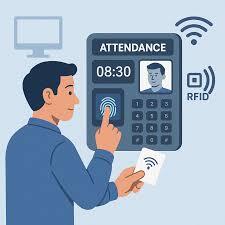
An attendance system is a digital solution designed to track and manage employee working hours, shifts, leaves, and overall workforce availability. Unlike traditional manual registers or spreadsheets, modern attendance systems automate the entire process, ensuring accuracy and real-time visibility.
These systems can include various technologies such as:
- Biometric verification (fingerprint, face recognition)
- RFID or card-based tracking
- Mobile app check-ins with GPS
- Cloud-based dashboards and analytics
By replacing manual processes, businesses gain better control over workforce data while reducing administrative workload.
Why Attendance Management Matters for Your Brand
Many businesses think of attendance tracking purely as an HR function. However, it has a direct impact on brand perception and organizational culture.
1. Builds Professionalism
A structured attendance system shows that your company values discipline and efficiency. Employees feel they are part of a well-organized organization, which improves morale and trust.
2. Enhances Transparency
Automated records reduce disputes related to working hours, overtime, and leave balances. Transparency builds credibility both internally and externally.
3. Improves Productivity
When attendance tracking is seamless, managers can focus on performance instead of administrative tasks. This leads to better decision-making and improved output.
4. Strengthens Employer Branding
A modern workplace with smart systems attracts top talent. Job seekers often prefer companies that use technology to create a streamlined work environment.
Key Features of a Modern Attendance System
Choosing the right system requires understanding the features that provide the most value.
1. Biometric or Contactless Authentication
Advanced systems use fingerprint, facial recognition, or mobile-based verification to ensure accurate attendance without proxy entries.
2. Cloud-Based Access
Cloud platforms allow managers and HR teams to access attendance data anytime, anywhere. This is especially useful for remote or hybrid teams.
3. Real-Time Reporting
Instant reports help track late arrivals, absenteeism trends, and overtime patterns, enabling proactive workforce planning.
4. Leave and Shift Management
Integrated leave tracking simplifies approvals and ensures accurate payroll calculations.
5. Payroll Integration
Seamless integration with payroll software eliminates manual calculations and reduces errors.
6. Mobile App Functionality
Mobile attendance with GPS tracking is ideal for field employees, sales teams, and remote workers.
Top Benefits of Implementing an Attendance System
1. Increased Accuracy
Manual entries are prone to mistakes and manipulation. Automated systems ensure precise records, reducing payroll discrepancies.
2. Time Savings
HR teams spend significantly less time on attendance tracking, allowing them to focus on strategic initiatives like employee engagement.
3. Cost Reduction
By minimizing time theft and attendance fraud, businesses can save substantial operational costs.
4. Better Compliance
Accurate records help organizations comply with labor laws, audits, and reporting requirements.
5. Data-Driven Insights
Analytics dashboards reveal workforce trends, helping management optimize schedules and staffing levels.
Industry Use Cases
Corporate Offices
For IT companies, agencies, and enterprises, attendance systems simplify hybrid workforce management and improve accountability.
Manufacturing Units
Factories benefit from shift scheduling, overtime tracking, and real-time workforce visibility.
Retail Businesses
Stores can manage multiple locations efficiently while ensuring staff availability during peak hours.
Educational Institutions
Schools and colleges use attendance systems to track staff and student presence, improving discipline and reporting.
Healthcare Facilities
Hospitals rely on accurate shift tracking to ensure adequate staffing and patient care continuity.
How an Attendance System Helps “Glow Your Brand”
Your brand is not just your logo or marketing — it’s the experience you create internally and externally. Here’s how attendance technology enhances brand value:
1. Demonstrates Innovation
Adopting smart systems signals that your organization is forward-thinking and tech-driven.
2. Improves Employee Experience
Simple check-ins, transparent leave balances, and clear records create a positive workplace environment.
3. Boosts Client Confidence
Clients trust businesses that operate efficiently and professionally behind the scenes.
4. Supports Scalability
As your business grows, automated systems ensure operations remain smooth without increasing administrative burden.
Steps to Implement an Attendance System Successfully
Step 1: Assess Your Needs
Identify workforce size, locations, shift complexity, and integration requirements.
Step 2: Choose the Right Technology
Select between biometric, mobile, or hybrid systems based on your business model.
Step 3: Ensure Easy Integration
The system should integrate with HR and payroll software for seamless data flow.
Step 4: Train Employees
Provide clear instructions and training sessions to ensure smooth adoption.
Step 5: Monitor and Optimize
Regularly review reports and gather feedback to improve usage and efficiency.
Common Challenges and How to Overcome Them
Resistance to Change
Employees may hesitate to adopt new systems. Clear communication and training help build acceptance.
Data Security Concerns
Choose systems with strong encryption and compliance certifications to protect sensitive information.
Implementation Costs
While there is an initial investment, long-term savings in time and accuracy outweigh the costs.
Future Trends in Attendance Management
The future of attendance systems is driven by automation and AI. Some emerging trends include:
- AI-powered workforce analytics
- Touchless facial recognition
- Integration with productivity tools
- Predictive scheduling based on data insights
- Blockchain-based attendance records for enhanced security
These innovations will further enhance efficiency and provide deeper insights into workforce performance.
Conclusion
An attendance system is more than a tool for tracking working hours — it’s a strategic investment in efficiency, transparency, and brand growth. By automating attendance management, businesses can reduce administrative workload, improve accuracy, and create a more professional work environment.
When your operations run smoothly, it reflects in employee satisfaction, client trust, and overall brand reputation. In a competitive marketplace, adopting smart workplace technologies is no longer optional — it’s essential to stay ahead.
If you want your organization to truly “glow your brand,” implementing a modern attendance system is a powerful step toward building a more efficient, transparent, and future-ready business.